Elections and voting
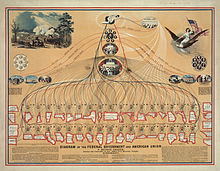
Suffrage, known as the ability to vote, has changed significantly over time. In the early years of the United States, voting was considered a matter for state governments, and was commonly restricted to white men who owned land. Direct elections were mostly held only for the U.S. House of Representatives and state legislatures, although what specific bodies were elected by the electorate varied from state to state. Under this original system, both senators representing each state in the U.S. Senate were chosen by a majority vote of the state legislature. Since the ratification of the Seventeenth Amendment in 1913, members of both houses of Congress have been directly elected. Today, U.S. citizens have almost universal suffrage under equal protection of the laws from the age of 18, regardless of race, gender, or wealth. The only significant exception to this is the disenfranchisement of convicted felons, and in some states former felons as well.
Under the U.S. Constitution, the representation of U.S. territories and the federal district of District of Columbia in Congress is limited: while residents of the District of Columbia are subject to federal laws and federal taxes, their only congressional representative is a non-voting delegate; however, they have been allowed to participate in presidential elections since March 29, 1961. Residents of U.S. territories have varying rights; for example, only some residents of Puerto Rico pay federal income taxes (though all residents must pay all other federal taxes, including import/export taxes, federal commodity taxes and federal payroll taxes, including Social Security and Medicare). All federal laws that are "not locally inapplicable" are automatically the law of the land in Puerto Rico but their current representation in the U.S. Congress is in the form of a Resident Commissioner, a nonvoting delegate.


Comments
Post a Comment